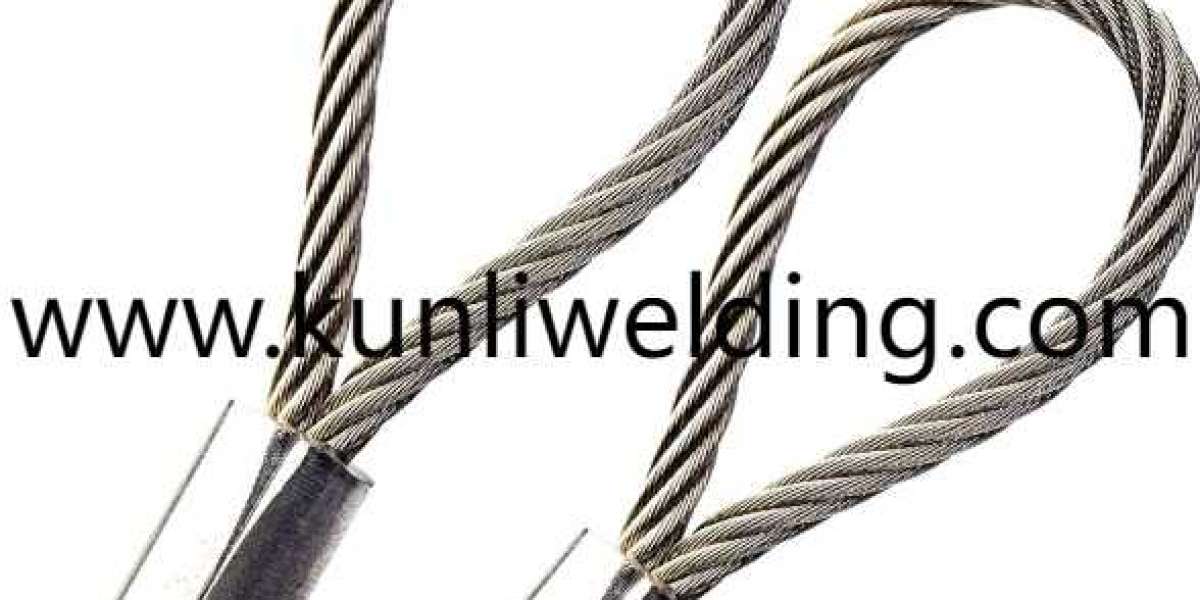

As vehicle makers intensify efforts toward greener mobility solutions, Aluminum Welding Wire ER5356 plays a pivotal role in crafting lighter electric car architectures. Used extensively in joining thin aluminum panels, this specialized filler metal ensures precise welds that maintain structural integrity while reducing overall mass. By combining reliable corrosion resistance and excellent ductility, it supports the automotive industry’s push for extended driving ranges and enhanced energy efficiency.
Lightweight chassis and body elements require welding consumables capable of delivering stable arcs on alloys that are notoriously sensitive to heat input. Technicians value this alloy’s consistent performance during automated and manual applications, where smooth metal transfer curbs spatter and post-weld cleanup. As factories transition to mixed-material assemblies—blending aluminum with high strength steels—welders depend on versatile wires like ER5356 to bridge dissimilar metals without compromising joint toughness.
Amid social media buzz around new model launches and concept reveals, the spotlight often shines on battery chemistries or motor innovations. However, the hidden hero in every streamlined are the welds holding panels, battery enclosures, and underbody guards together. The right welding wire can make the difference between a vehicle meeting crash test criteria or falling short of safety benchmarks. That’s why forward thinking OEMs and tier one suppliers align process controls around consumables that deliver reproducible results across high volume production runs.
Beyond the factory floor, service centers and repair shops also benefit from a wire that tolerates varying surface conditions. When technicians restore accident damaged sections or retrofit aftermarket components, they rely on a filler that resists cracking under cyclical loading. Its inherent magnesium content strengthens the weld zone, lending resilience against vibration and thermal cycling—crucial for electric vehicles that often endure harsher operating temperatures compared to their traditional counterparts.
Environmental regulations and corporate sustainability promises have raised the stakes. Lightweighting strategies not only cut energy consumption during vehicle operation but also lower carbon emissions throughout the supply chain. By reducing material usage and simplifying assembly steps, manufacturers achieve leaner production footprints. In this context, consuming welding wires that minimize distortion and rework directly supports resource optimization goals. Aluminum Welding Wire ER5356 excels in this capacity, enabling tighter tolerances and faster throughput.
Integration with robotic welding cells further amplifies its appeal. Automated systems programmed with optimized amperage and feed settings harness the wire’s fluid deposition characteristics to create uniform, cosmetically smooth beads. This consistency reduces inspection time and accelerates body in white completion rates. As digital twins and real time monitoring become standard, selecting consumables known for predictable behavior becomes an investment in process reliability.
Consumer perceptions often focus on how an electric vehicle drives or charges, but beneath the surface, material science innovations silently enhance every journey. A rigid, yet lightweight framework not only improves handling response but also maximizes interior space for passengers and cargo. By choosing specialized filler metals designed for the unique demands of aluminum structures, brands reinforce their commitment to innovation at every engineering layer.
For engineers, fabricators, and supply chain managers eager to explore advanced welding solutions that support next generation mobility, a wealth of technical guidance awaits. Delve into application notes, optimize joint designs, and discover best practices for achieving high strength, low distortion results. To learn more about how this filler metal empowers electric vehicle lightweighting and to access detailed product information, visit www.kunliwelding.com .