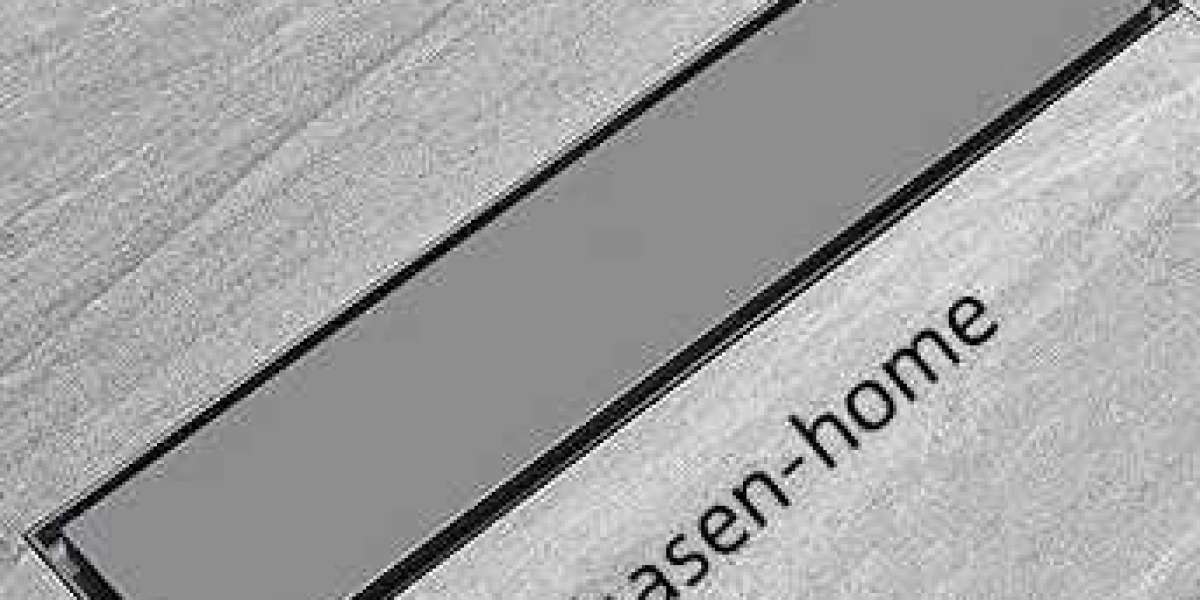

A Shower Drainage System Factory plays a vital role in creating bathroom fixtures that work seamlessly in daily use. At Hasen-home, we focus on designing systems that efficiently manage water while complementing modern bathroom aesthetics.
1. The Basics of a Functional Shower Drainage System
Every shower relies on a well-planned drainage system to prevent water from pooling. The key components include:
Drain Body: The main structure that collects water
Grate: Allows water to flow while catching debris
Piping: Directs water away from the shower area
Hasen-home ensures each part works together smoothly, creating a system that performs reliably over time.
2. How Design Affects Drainage Performance
Not all drainage systems work the same way. The slope of the shower floor, size of the drain, and placement all influence how quickly water disappears. Linear drains offer a modern look while providing excellent water flow, while traditional center drains work well in standard installations.
3. Materials That Make a Difference
Stainless steel remains a preferred choice for shower drainage systems due to its resistance to rust and corrosion. Unlike plastic alternatives that may warp over time, metal components maintain their shape and function through years of use.
4. Common Drainage Problems and How to Avoid Them
Slow drainage often results from hair and soap buildup in the pipes. Choosing a system with removable grates makes cleaning easier. Proper installation also prevents leaks that could damage flooring or walls beneath the shower.
5. Selecting a System That Fits Your Needs
Consider your bathroom size, shower frequency, and design preferences when choosing a drainage system. For options that combine quality craftsmanship with thoughtful engineering, visit https://www.hasen-home.com/news/follow-the-shower-drain-system-supplier-to-know-shower-drain-system.html