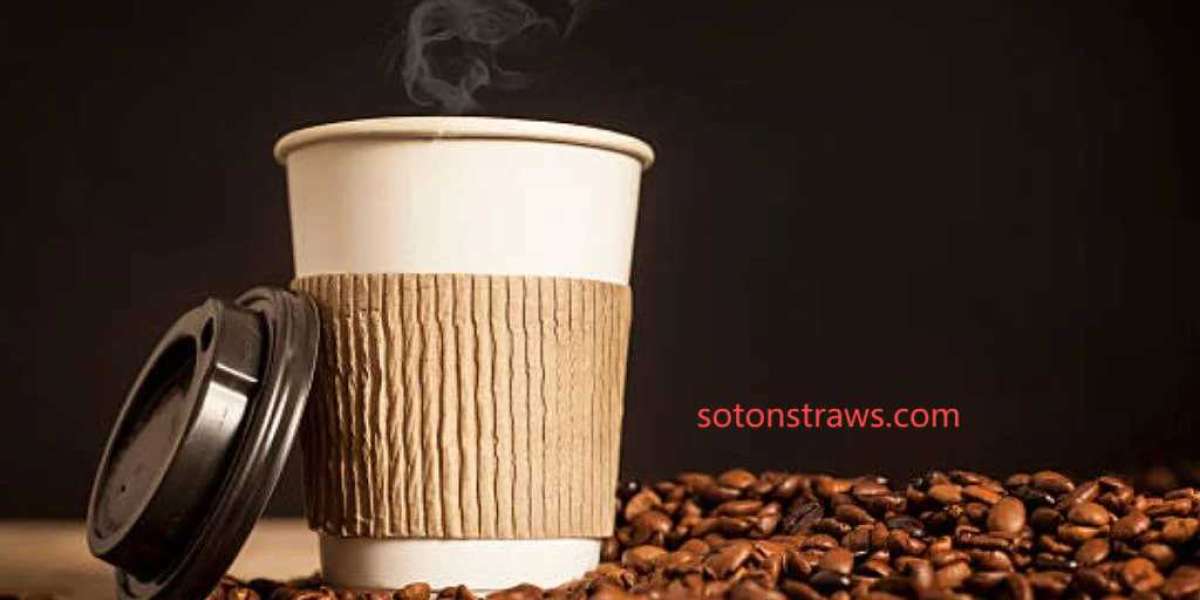

The simple act of warming a beverage in a microwave using a common Disposable Paper Cups seems straightforward, yet it involves a fascinating interplay of physics and material science that most of us never see. The term "paper cup" is itself a slight misnomer, as it describes the primary material but not the complete engineered system required for it to function. To hold a hot liquid without collapsing, the paperboard requires a barrier, and this is where the complexity begins. The microwave oven heats food by agitating water molecules, but this energy also interacts with the cup's interior lining. This thin film, crucial for preventing leakage, is typically a polymer, and its reaction to sudden, high heat is the core of the issue. This isn't merely about the cup getting too hot to touch; it's about the integrity of the bonded layers that constitute the vessel's wall. This can lead to a breakdown of the material, affecting both the drink and the container's stability.
When heated, the integrity of the seal between the lining and the paper can be compromised. This may allow the hot liquid to penetrate the paper shell, leading to unexpected sogginess and a high risk of rupture. Moreover, the extreme temperature at the interface between the liner and the liquid can cause the polymer to release substances that alter the taste and purity of the beverage. This process is accelerated when the cup is exposed to extended heating periods or maximum power settings. Consumers might notice the cup becoming unusually soft or detecting an off-putting chemical odor. This is a clear sign of material breakdown. The design of most disposable paper cups is optimized for heat retention from a filled beverage, not for generating heat from within via radiation. The potential for chemical migration represents a silent risk, one that isn't immediately visible but accumulates over time with repeated use. The very functionality that makes the cup useful for its primary purpose becomes its Achilles' heel in a different thermal context. This highlights a significant disconnect between product design for single-use hot beverages and consumer habits that extend beyond that initial use.
This widespread confusion points to a larger need for industry-wide standards and clearer communication. Selecting a responsible manufacturer goes beyond price and aesthetics; it requires investigating their philosophy on material health and product safety. A forward-thinking producer will not only address this mismatch but also educate its clients and their customers about best practices. The goal should be to elevate the entire conversation around disposable ware, focusing on long-term well-being rather than short-term expediency. It is about fostering a culture of mindful consumption, where users are equipped with the knowledge to make informed decisions that protect their health.
Soton addresses this challenge head-on by focusing on material integrity and transparent labeling. We are dedicated to researching and implementing liners that offer greater stability under thermal stress. Our commitment is to push the boundaries of what is possible in sustainable packaging, ensuring that safety and performance are never compromised. When you choose Soton, you are aligning with a brand that views its responsibility through a wider lens, ensuring that every product component is scrutinized for safety. We encourage a partnership based on trust and a shared vision for a safer, more responsible future in foodservice packaging.Click https://www.sotonstraws.com/product/ to reading more information.