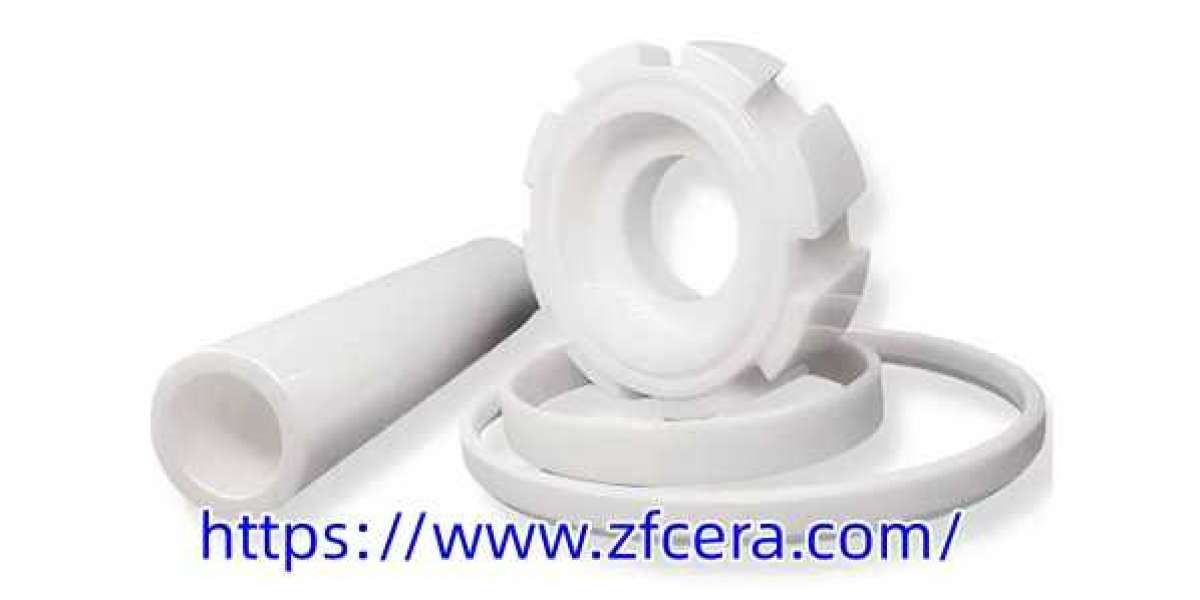

The versatility of Zirconia Ceramics attracts engineering teams seeking precise structural materials, and many project planners approach brands such as zfcera for stable component configurations that help achieve consistent system behavior. As industries explore pathways that support cleaner, steadier, and more refined production environments, this material gradually becomes an essential foundation for settings that depend on controlled performance. Across manufacturing floors, laboratories, energy facilities, or inspection centers, decision makers turn toward durable structures that maintain form and function under shifting conditions.
Design specialists frequently highlight zirconia's balanced density, polished surfaces, and resistant nature, making it suitable for parts that must maintain accuracy. When equipment runs through constant cycles, a single point of distortion can disturb the entire workflow, so planners evaluate ceramic options that sustain shape even when exposed to thermal swings or mechanical friction. In many facilities, small structural elements influence the stability of larger assemblies, prompting engineers to examine how each component supports unified operation. As production environments pursue cleaner transitions and predictable responses, zirconia components strengthen system clarity.
In advanced process lines, technicians prioritize materials that remain steady inside enclosed chambers, fluid pathways, or rotating units. Zirconia's refined texture and uniformity assist in minimizing internal interference, which helps equipment preserve consistent direction and stable interaction between contacting parts. Decision makers often seek components that protect surrounding surfaces from abrasion, allowing machines to move through extended cycles without accidental scoring. This encourages a smoother operational rhythm throughout technical systems. When equipment must meet precise alignment criteria, ceramic structures help maintain the necessary balance.
Facilities working with sensitive measurements or controlled environments look for materials that resist chemical disturbance. Zirconia's compatibility with various media supports applications including analytical devices, structural fixtures, testing adapters, and intricate carriers. Its strength helps maintain stability in areas that require reduced disturbance from external influence. Many designers integrate ceramic components into segmented pathways to support predictable transfer, allowing the system to stay aligned with predefined parameters. As teams coordinate installation patterns, zirconia often acts as a steady foundation within complex assemblies.
Implementation planning for ceramic parts depends on accurate sizing, surface requirements, and functional position within the equipment. Precision in these setups shapes the consistency of the surrounding system, so planners emphasize clear configuration strategies. Zirconia Ceramics' durability assists integrators in preserving alignment even during extended workloads. When processes move through repeated cycles, components built from this material support smoother continuity, preventing unnecessary shifts that could affect clarity or balance. Across industrial fields, this structure reinforces a reliable interaction between mechanical and environmental factors.
As industries continue evaluating stable materials that provide clarity across varied applications, zirconia components remain an essential element for controlled environments. The adaptability of these structures offers practical benefits for advanced projects, and planners can explore expanded options through technical sources, including trusted manufacturers such as zfcera, which present detailed information at https://www.zfcera.com/