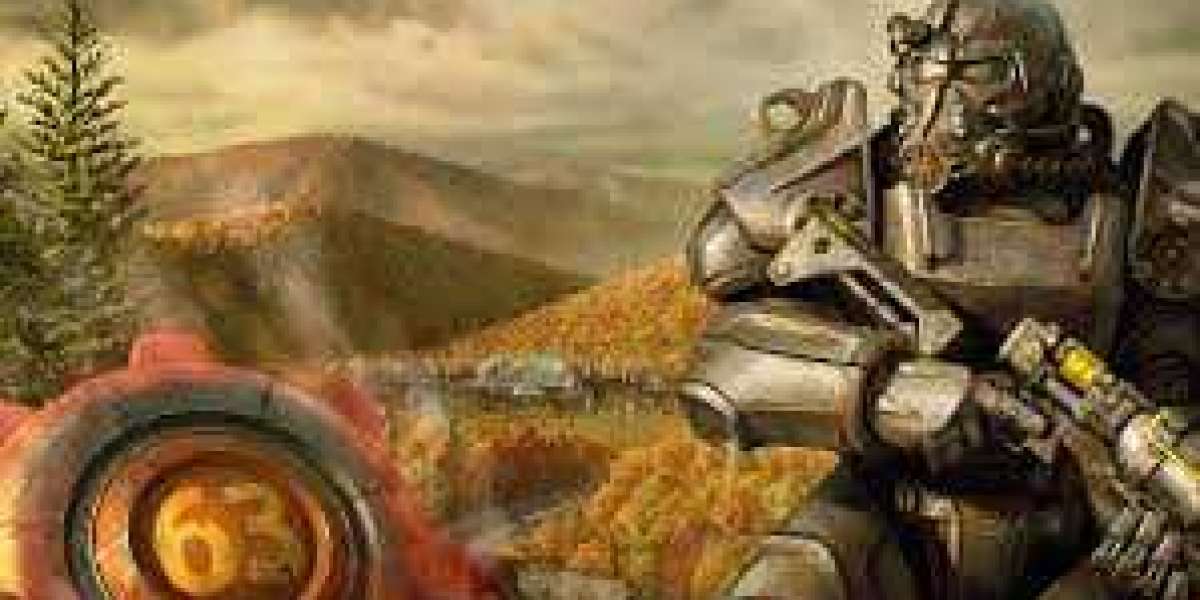

The world of online gaming is littered with titles that stumbled at the starting line, but few have managed to pick themselves up and chart a course as unexpected as Fallout 76. Its initial portrayal of post-nuclear West Virginia was stark, lonely, and famously fragile. Yet, to dismiss it based on its 2018 debut is to miss one of the most fascinating turnarounds in modern gaming. Today's Appalachia is a vibrant, if bizarre, tapestry of cooperative survival, emergent storytelling, and a peculiarly Fallout-brand of camaraderie. This journey from desolation to vitality is largely credited to a single, transformative philosophy: the shift towards meaningful **community** engagement, both in design and player action.
Bethesda's long-term strategy moved beyond simple bug fixes into a foundational reshaping of the experience, directly fueled by player feedback. The introduction of **Wastelanders** was the most dramatic example, filling the silent forests with human NPCs and branching quests. But the deeper evolution was fostering systems that encouraged player interaction, not just coexistence. The public event system, where players converge to fight colossal beasts or defend settlements, creates spontaneous moments of unity. The shared camps, where one can vender surplus gear or simply display creativity, turn the landscape into a player-driven economy and gallery. The game’s mechanics gradually evolved to nudge dwellers toward each other, suggesting that rebuilding isn't a solitary grind, but a communal effort.
This framework gave rise to the game's true heart: its player base. In a delightful subversion of post-apocalyptic tropes, the **community** in Fallout 76 is famously generous. High-level players often seek out fresh "Vault Dwellers," dropping care packages of stimpaks, crafted weapons, and advice. Social hubs like "The Wayward" or "Foundation" buzz with players emoting, trading, and forming impromptu teams. This organic kindness transforms the server from a mere gameplay instance into a living neighborhood. Stories are no longer just about completing a quest; they are about the random veteran who helped you fend off a Scorchbeast, or the intricate, hilarious camp built precariously on a mountain peak you stumbled upon.
Fallout 76 Items now carves out a unique niche. It is not the tightly narrated, solo experience of its predecessors, nor is it a ruthlessly competitive PvP arena. It exists in a middle ground—a "softcore" multiplayer RPG where the atmosphere of exploration and discovery from classic Fallout is shared. You can still lose yourself in the poignant environmental storytelling of a ruined manor, but now you might have a friend along to decode the clues, or a stranger might wave as they pass by. The appeal lies in this shared, persistent, and oddly comforting wasteland. It is a testament to the idea that a world can feel more alive when populated by real people choosing to be, against all genre expectations, helpful. Appalachia’s mountains are no longer just for looting; they are for building, sharing, and witnessing the unpredictable theater of human collaboration in a world that tried to end it all.