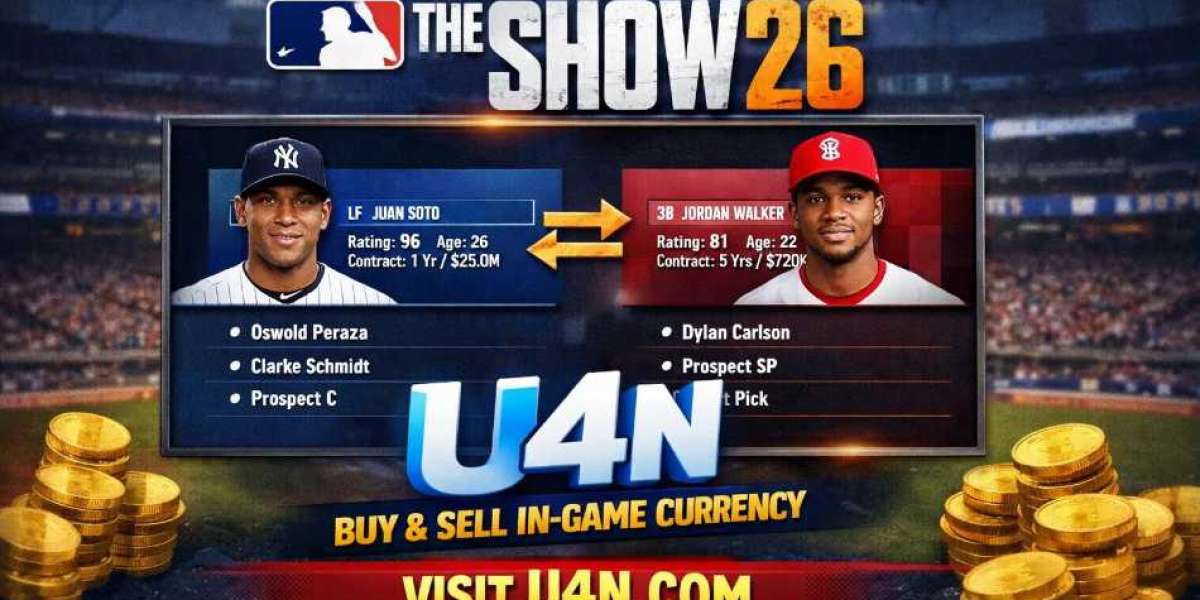

What Has Changed in the Trade System?
In previous versions of MLB The Show, trades were largely based on simple player ratings and position needs. The AI could be predictable, and often you could push through trades by offering slightly better stats or adding cash.
MLB The Show 26 now uses a more sophisticated logic system. Trades are evaluated based on multiple factors:
Player Value – This goes beyond overall rating and looks at age, potential, and position scarcity.
Team Needs – AI teams now prioritize filling gaps in their roster over just acquiring high-rated players.
Contract Situation – Players with high salaries or expiring contracts influence trade feasibility.
Recent Performance – The system considers recent stats and hot streaks, meaning a player’s current form can affect trade value.
This makes trades feel more realistic. Teams won’t accept lopsided deals just because you offer stubs or a few extra minor league prospects.
How Does the System Evaluate Player Value?
Understanding player value is the first step in working with the new trade logic. Each player has a base rating, but the system also looks at:
Age and Potential: Younger players with growth potential are valued higher than aging veterans, even if the overall rating is similar.
Position Importance: Positions like shortstop, catcher, or center field carry more weight due to scarcity.
Stability: Players who are inconsistent or injury-prone may be less desirable.
In practice, this means if you’re trying to trade a top-rated first baseman for a mid-level shortstop, the AI may reject the trade unless you add a high-potential prospect or adjust the financial balance.
How to Approach Trades Effectively
With the new logic, there are some practical strategies to get trades accepted:
Understand AI Needs: Look at team weaknesses before proposing a trade. If a team is deep in pitchers but weak in outfield, you can leverage your surplus outfielders.
Use Prospects Smartly: Trading a veteran for several high-potential minor leaguers is more likely to be accepted than one-for-one trades that seem uneven.
Consider Contracts: The AI dislikes taking on large salaries unless they are getting equivalent value in return. Matching salaries can make a difference in trade acceptance.
Incremental Proposals: Sometimes proposing a trade and then adjusting slightly, such as adding a prospect or cash, is more successful than aiming for a perfect one-shot trade.
Why Some Trades Get Rejected
Even experienced players sometimes wonder why a trade that seems fair is rejected. The new system considers a combination of factors:
Team Philosophy: AI teams now have preferences, such as rebuilding with youth or pursuing immediate contention.
Player Sentiment: Popular or high-performing players are harder to trade away.
Roster Composition: If trading a player would leave a team with an empty slot at a key position, the trade will fail.
This means that understanding the AI mindset is just as important as knowing player ratings.
Trades in Franchise Mode vs. Diamond Dynasty
The trade logic system affects both Franchise Mode and Diamond Dynasty, but the approach differs:
Franchise Mode: You negotiate directly with AI teams. Understanding their philosophy and roster composition is key. You may need to build multiple trade proposals to get a deal done.
Diamond Dynasty: Trades are more limited and usually involve collections, stubs, or player cards. However, knowing player value still matters if you’re trading with other users or completing sets. If you’re wondering where to buy MLB 26 stubs, it’s worth noting that stubs can be purchased directly through the in-game store or via authorized digital retailers, which can help you facilitate trades or complete collections faster.
Common Player Behavior Observations
From experience, there are a few consistent behaviors in MLB The Show 26 trades:
AI Teams Value Balance Over Stars: A team will often trade a star player for a combination of mid-level players that fill multiple gaps.
Hot Streaks Matter: A player performing well in recent games has slightly higher trade value. Don’t expect to trade a player on a slump for equal value.
Contract Timing Can Be Exploited: Teams are more willing to trade away players with one-year contracts or those about to hit free agency.
Practical Tips for Maximizing Trade Success
Check AI Priorities: Before offering, study which positions the team struggles with.
Trade in Packages: Combining multiple players or adding prospects increases the likelihood of success.
Use the Trade Finder: The in-game tool highlights potential matches that the AI might accept, saving you trial-and-error.
Patience is Key: Some trades require multiple iterations before acceptance. Don’t force it in one go.
The new trade logic system in MLB The Show 26 makes trading more realistic and requires a strategic approach. Understanding AI preferences, player value, contracts, and roster composition will significantly improve your success rate. Whether in Franchise Mode or Diamond Dynasty, careful planning and incremental proposals are the best way to execute trades effectively.
With these insights, you can approach trades confidently, knowing that you’re working with the same factors the AI uses. And if you ever need extra resources to facilitate trades, you can find guidance on where to buy MLB 26 stubs to help complete your collections or offer value in Diamond Dynasty trades.