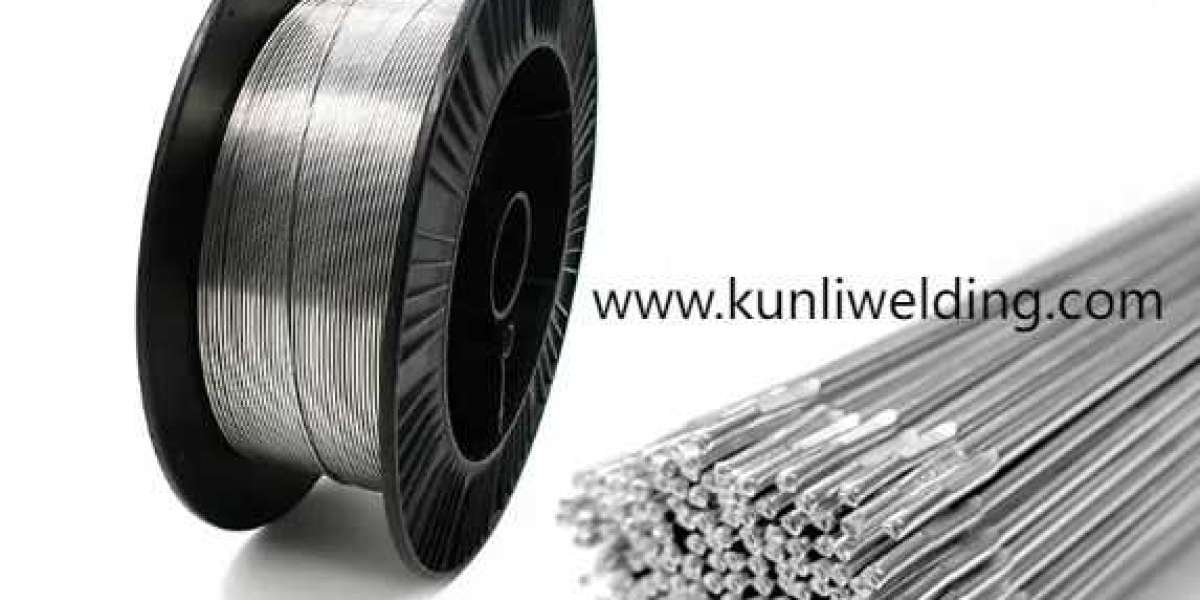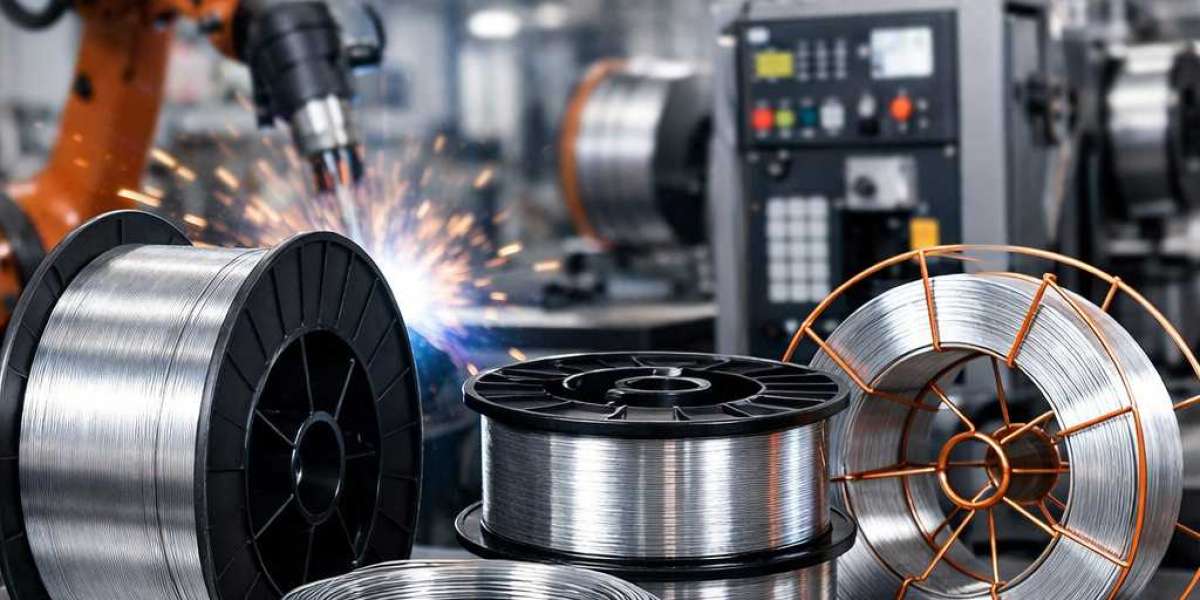

China Aluminum Alloy Wire Manufacturers play an important role in supplying materials for industrial applications around the world. What is aluminum alloy wire? This type of wire consists of aluminum combined with other elements such as magnesium, silicon, copper, and zinc. The alloying process creates a material with properties that make it useful in many fields. The wire comes in different forms and sizes to suit various requirements in manufacturing and construction.
Pure aluminum offers advantages like low weight and good conductivity. However, adding specific metals improves strength, corrosion resistance, and workability. For instance, magnesium increases tensile strength while silicon enhances the flow characteristics during welding. Copper adds to the hardness of the material, and zinc contributes to overall stability. These modifications ensure the wire meets the needs of different projects without compromising its core benefits. The result is a product that performs in a range of conditions.
Manufacturers produce aluminum alloy wire through a series of steps that include melting the alloy, forming ingots, and then drawing the material into wire form. Precision equipment controls the diameter and surface quality to deliver consistent results. Testing procedures verify the chemical composition and mechanical properties of each lot. Additional checks confirm that the wire has no defects and can handle the stresses of its intended application. This careful approach helps in maintaining uniformity across production runs.
In welding, aluminum alloy wire functions as a filler to connect pieces of aluminum or similar alloys. The process requires careful control of parameters to achieve clean welds with minimal porosity. Industries such as transportation and marine construction rely on this wire for its ability to create durable joints. The wire melts smoothly and integrates well with the base metal, supporting structures that endure daily use. Technicians appreciate the ease with which it can be applied in both manual and automated welding setups.
Electrical applications also utilize aluminum alloy wire in power transmission and distribution systems. Its conductivity allows efficient energy transfer, and the reduced weight compared to copper alternatives supports installation in various structures. Building and infrastructure projects incorporate the wire for grounding and other purposes. In residential and commercial buildings, the material helps in safe and effective electrical networks. Renewable energy projects, including solar panels and wind turbines, benefit from the wire's properties in connecting systems over long distances.
The construction sector values aluminum alloy wire for its resistance to environmental factors. It appears in window frames, roofing, and structural supports where longevity is a consideration. The material handles exposure to moisture and temperature variations effectively. Automotive manufacturers use it in vehicle wiring and lightweight components to help improve overall efficiency. The reduced mass in vehicles leads to improved handling and lower operational costs over time.
Aerospace and defense sectors select aluminum alloy wire for applications that demand a favorable strength-to-weight ratio. The material contributes to designs that prioritize performance while keeping mass low. Components made with this wire maintain their shape and function under high loads. Different grades of aluminum alloy wire exist to match specific requirements. Each grade offers a balance of attributes tailored to the intended use. Suppliers provide options in various spool sizes and packaging to facilitate handling and storage. This variety allows customers to choose the right product for their operations.
Clients benefit from reliable delivery schedules and technical assistance. Producers maintain facilities equipped with modern machinery to handle large volumes while upholding quality levels. This setup supports customers in meeting their production timelines. Ongoing research helps in developing new alloy compositions that address emerging needs in the market. The industry continues to evolve with advancements in processing techniques.
Aluminum alloy wire continues to serve as a practical choice in evolving industries. Its combination of features allows for innovation in product design and manufacturing methods. As demand grows, producers adapt their offerings to address new challenges. The wire's versatility opens doors to creative solutions across sectors. Users find that it integrates well into existing workflows and supports efficient production.
Understanding aluminum alloy wire helps professionals make informed decisions about material selection. The knowledge of its composition and uses leads to positive outcomes in projects. Whether for small-scale repairs or large industrial builds, the wire provides a dependable option.
For further details on aluminum alloy wire and related items, visit https://www.kunliwelding.com/