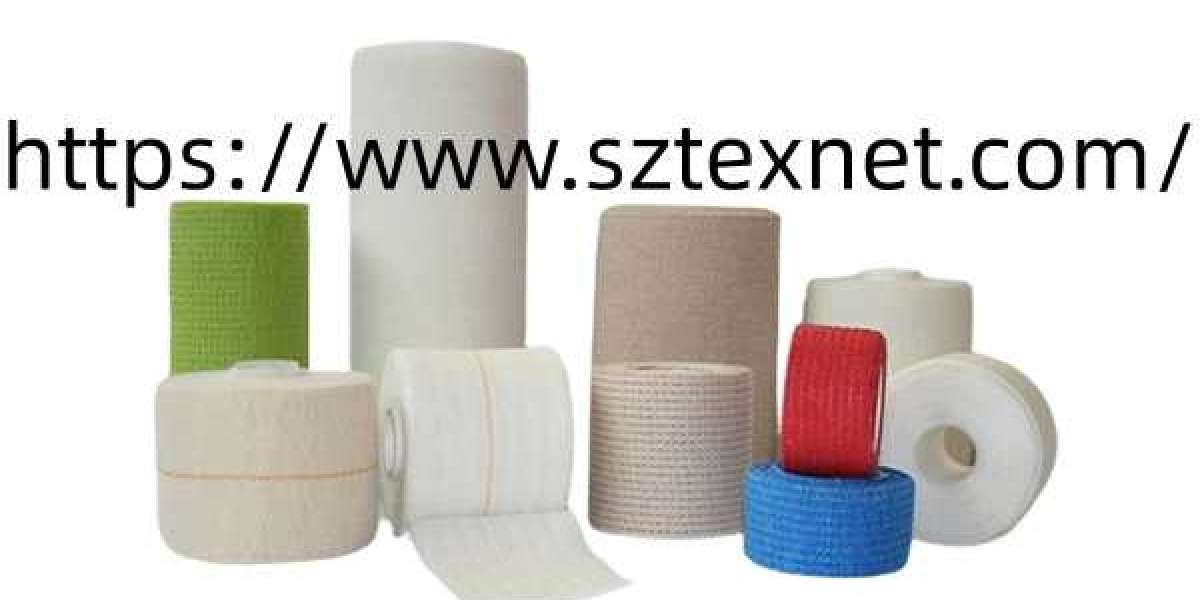

Bandage Manufacturer selection plays a direct role in product reliability, regulatory alignment, and long-term supply consistency. Whether you are sourcing for hospitals, pharmacies, first-aid kits, or distribution networks, choosing the right partner involves more than comparing price lists. Careful evaluation at the beginning helps reduce operational risks and supports smoother procurement over time.
Regulatory Compliance and Certifications
Medical products require strict adherence to safety and quality standards. Before placing an order, confirm that the factory holds relevant certifications such as ISO management approvals and necessary regional documentation. Request updated certificates and review testing records.
Compliance is not just paperwork. It reflects how materials are handled, how production is monitored, and how final goods are inspected before shipment. Clear documentation simplifies customs procedures and supports smoother entry into regulated markets.
Raw Material Transparency
The performance of wound care products depends largely on material selection. Check whether the supplier provides details about cotton quality, adhesive composition, and sterilization processes. Reliable factories maintain traceable supply chains and consistent sourcing standards.
When materials vary between batches, product performance may fluctuate. Buyers should ask about supplier partnerships for raw inputs and whether alternative materials are evaluated before being introduced into production.
Production Capacity and Delivery Planning
Stable output capacity matters, especially for distributors handling recurring orders. Confirm monthly production volume and average lead times. It is also helpful to understand how the factory manages peak-season demand or urgent replenishment needs.
A structured production schedule reduces delays and allows procurement teams to forecast inventory more accurately. Clear communication about timelines builds confidence and prevents last-minute disruptions.
Quality Control Procedures
Quality control should extend across every stage—from incoming materials to packaging. Ask about in-line inspections, final sampling methods, and defect management procedures.
Factories that maintain batch tracking systems can quickly identify and address potential issues. This level of organization helps wholesalers and medical suppliers maintain stable product performance across shipments.
Customization and Packaging Flexibility
Healthcare markets vary in size and labeling requirements. Some buyers need private labeling, customized packaging dimensions, or specific language instructions.
Discuss available customization options early in the negotiation process. Understanding minimum order quantities and packaging formats ensures the final product matches your distribution channel without unnecessary adjustments.
Communication and After-Sales Support
Responsive communication is often overlooked but critical in medical procurement. Timely replies, transparent updates, and clear documentation reduce misunderstandings.
A supplier that provides ongoing support for documentation, testing clarification, or order tracking can make daily operations smoother. This becomes particularly important when regulations evolve or market demand shifts.
Working with Suzhoutexnet
Suzhoutexnet focuses on structured production management, documented quality checks, and steady supply planning. The company works with distributors and healthcare providers to align specifications with real-world usage requirements.
By maintaining consistent material sourcing and organized inspection systems, Suzhoutexnet supports buyers seeking dependable long-term cooperation rather than short-term transactions. Production processes follow established standards to help ensure products meet regulatory expectations in different markets.
Choosing the right manufacturing partner requires careful review of compliance, materials, capacity, inspection systems, and communication practices. Each factor influences how smoothly your supply chain operates and how reliably products perform in healthcare environments.
If you are reviewing potential suppliers for upcoming procurement plans, structured evaluation can help reduce uncertainty and support consistent distribution. You can review available product categories and technical details here https://www.sztexnet.com/product/