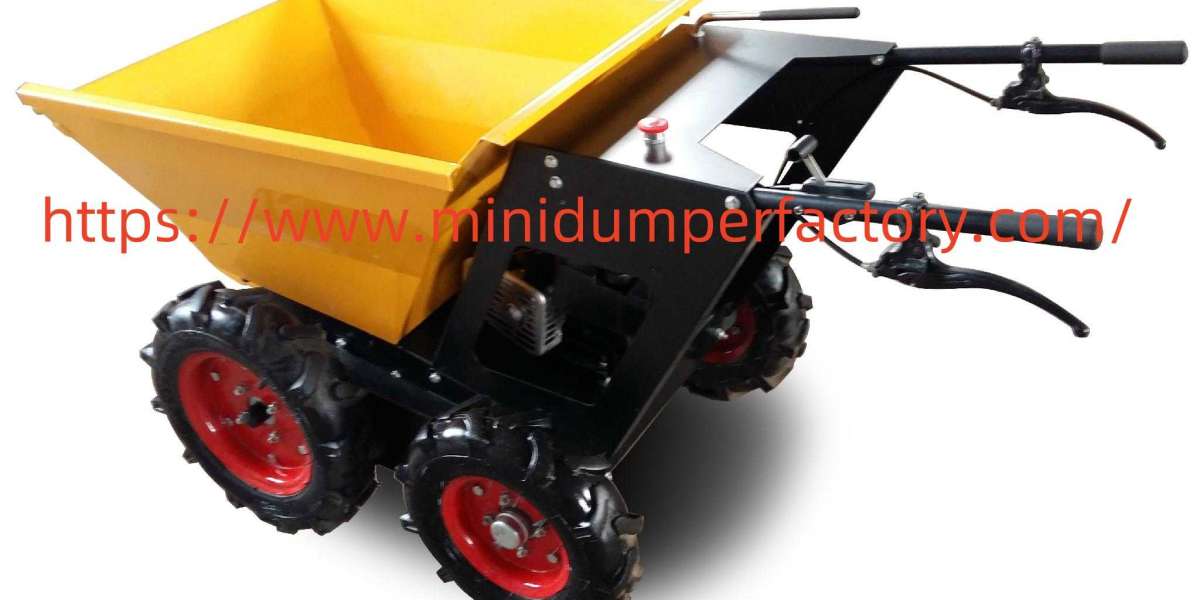

Electric Mini Dumper Manufacturer is not just a label in the equipment world anymore. It reflects how design thinking is slowly being pulled back toward the ground, toward the noise and movement of real construction sites where nothing stays still for long.
If you spend time around active sites, you notice something quickly. Machines are not judged only by what they can do, but by how they fit into everything else happening around them. Timing, space, and coordination matter just as much as raw capability.
That pressure has been changing how equipment gets designed. Older approaches leaned heavily on fixed structure and predictable conditions. But sites rarely behave that way. Soil changes, paths narrow, schedules shift. Design has had to loosen up and respond to that unpredictability.
Minidumperfactory works within that shift by staying close to how machines are actually used day after day. Instead of treating design as something separate from the jobsite, it follows the rhythm of real work, where movement is constant and interruptions are not optional.
One of the clearest changes in recent design thinking is how much attention goes into flow. Not just movement in a technical sense, but how naturally a machine enters the cycle of loading, carrying, and unloading without breaking the pace of the team.
There is also more attention on how machines feel over time. A single operation is easy to design for. Repetition is harder. When equipment is used for long stretches, small details start to matter more than expected, especially around control and balance.
Energy awareness is another quiet shift. Construction work is no longer only about output. It is also about how consistently machines can operate across the day without becoming harder to manage or less stable in performance.
What stands out most is how much influence comes directly from the field. Operators notice things that drawings cannot fully capture. Those observations slowly find their way back into design adjustments, shaping how equipment evolves.
Minidumperfactory keeps working in that space where theory meets reality. The goal is not to overcomplicate equipment but to make sure it behaves in a way that feels aligned with real jobsite movement, even when conditions change quickly.
As this direction continues, construction equipment design is becoming less about isolated features and more about how everything connects during actual work. Machines are being shaped by rhythm, not just specification sheets.
And if you want to see how that thinking translates into real equipment used across different site conditions, the details sit here https://www.minidumperfactory.com/product/ where the focus stays on practical movement rather than abstract ideas