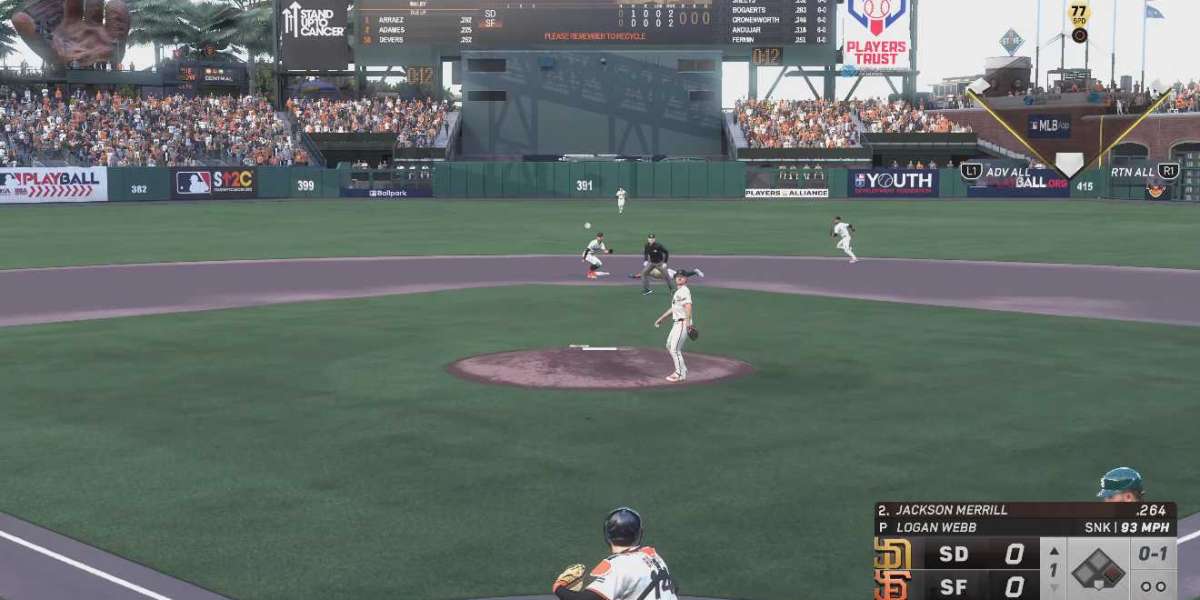

The ABS Challenge System in MLB The Show 26 is one of the smartest additions to offline gameplay this year. It gives you a way to fight back against bad umpire calls—but only if you use it right.
As someone who’s put serious time into Road to the Show and Franchise, I can tell you this: most players waste their challenges way too early. If you learn when to press the button, you can flip entire games.
Let’s break it down in a simple, practical way.
How the ABS Challenge System Works
At its core, the system is easy to use:
- Press Down on the D-Pad immediately after a pitch call to challenge it
- The system checks the pitch using the ABS zone
- If you’re right, the call is overturned and you keep your challenge
- If you’re wrong, you lose one of your two challenges
Key Rules You Need to Know
- Offline only: Works in RTTS and Franchise
- Not in Diamond Dynasty or online play (those use perfect umpiring)
- You start with 2 challenges per game
- Successful challenges are not consumed
- Extra innings give you 1 extra challenge if you’re out
- Batter, pitcher, or catcher can trigger it
The Real Strategy: When to Challenge
This is where most players mess up. You don’t challenge because something feels wrong—you challenge because it actually matters.
1. High-Leverage Counts Only
This is the biggest rule.
Use your challenges on:
- 3–2 counts (avoid strikeout or walk)
- 0–2 or 1–2 counts (stay alive in the at-bat)
Don’t waste a challenge on a random 1–1 pitch in the 2nd inning. That’s how you run out early and regret it later.
2. Runners in Scoring Position
If a bad call:
- Ends the inning
- Kills a rally
- Or strands runners
…it’s worth the risk.
These are the moments that decide games, especially on higher difficulties.
3. The “Sliver” Rule (Most Important Insight)
The ABS system is strict:
If any part of the ball touches the zone, it’s a strike.
That means:
- Close pitches on the edge are usually strikes
- Even if they look like balls
What to challenge instead:
- Pitches that clearly missed the zone
- Calls that feel way off—not just slightly off
If you’re challenging borderline edges, you’re going to lose most of them.
4. Read the Umpire Tendencies
Even though ABS is accurate, the called result before the challenge still reflects umpire behavior.
Pay attention to patterns like:
- Missing low pitches
- Calling inside strikes too often
- Expanding one side of the zone
Once you notice a pattern, you can:
- Save your challenge for that exact spot
- Punish repeated bad calls
This is subtle, but it gives you a real edge.
5. Don’t Panic-Challenge
This is a classic mistake.
You strike out → you get frustrated → you instantly challenge.
Bad idea.
Instead, ask yourself:
- Did the pitch clearly miss?
- Or am I just tilted?
If you’re not sure, don’t challenge. Save it for a guaranteed swing moment.
Understanding the ABS Strike Zone
To challenge correctly, you need to understand what the system is actually checking.
Zone Dimensions
- Width: 17 inches (home plate width)
- Top: 53.5% of batter height
- Bottom: 27% of batter height
Detection Point
- The pitch is judged at the middle of the plate, not the front
This matters more than you think. Some pitches:
- Look like balls early
- But clip the zone in the middle
Those will be called strikes—and challenging them will fail.
Advanced Tips That Actually Win Games
Trust Your Camera Setup
Using a tighter hitting view like Strike Zone or Strike Zone High makes it easier to:
- Track pitch edges
- Spot obvious misses
If you’re using a zoomed-out camera, you’ll misjudge calls more often.
Use Challenges Defensively as a Pitcher
Most people only think about batting—but pitching matters too.
Challenge when:
- You paint the corner and get called a ball
- You’re in a full count and need the strike
Saving a walk or forcing a strikeout can be just as valuable as extending an at-bat.
Think Like a Manager
Treat challenges like a resource, not a reaction.
Ask:
- “Is this moment worth one of my two chances?”
If the answer isn’t a clear yes, hold it.