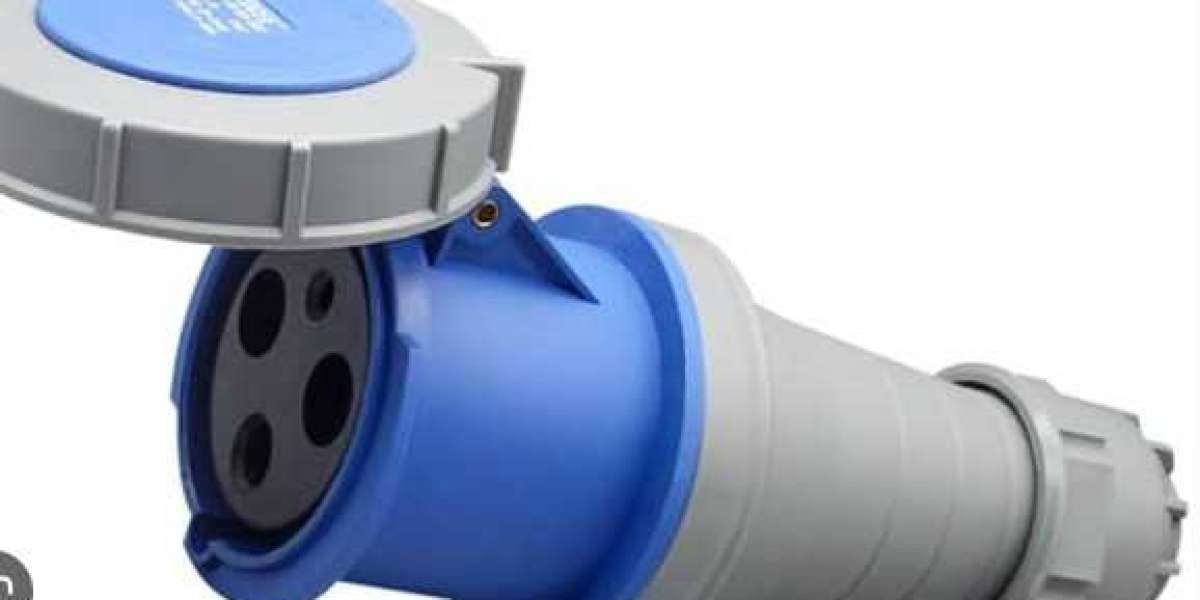

In outdoor plants, a Waterproof Industrial Plug and Socket helps keep circuits stable, and a well-chosen Waterproof Industrial Plug and Socket can support continuous operation when weather turns unpredictable. Rain, condensation, dust, and vibration all test electrical hardware in ways that ordinary indoor fittings never face. A reliable connector must therefore do more than carry current; it must protect the integrity of the whole system while giving technicians confidence that the connection will stay secure.
Sealing, Contact, and Mechanical Confidence
A strong industrial connection begins with the balance between sealing and contact quality. If moisture enters the assembly, corrosion can weaken performance and shorten service life. If the internal interface is loose, electrical resistance may rise and create heat. That is why engineers look for a design that combines accurate mating surfaces with a housing built to resist environmental stress. The best solution does not draw attention to itself during daily use. It simply performs the job every time power is needed.
Mechanical confidence matters just as much as environmental protection. Workers need hardware that locks in place without awkward force and releases cleanly when service is required. In busy sites, equipment is often moved, cleaned, or reconnected many times in a single shift. A connector that handles those repetitions well can reduce wear on both the hardware and the cable. Over time, those small advantages can translate into fewer interruptions and a better maintenance record.
Why Cable Management Changes Everything
Even a good connector will struggle if the cable routing is careless. Sharp bends, unsupported spans, and excessive tension can undermine performance over time. Proper strain relief keeps the conductors from taking stress at the termination point, and thoughtful routing reduces the chance of accidental pull-out. For mobile equipment, cable management is especially important because movement adds repeated motion that can loosen a weak setup.
Good planning also helps with inspection. When cables are organized and clearly labeled, technicians can identify problems faster and service equipment with less guesswork. That kind of efficiency matters in facilities where downtime carries a direct cost. It also helps safety teams maintain a cleaner working environment, because tidy installations are easier to review, document, and upgrade later.
Socketsfe Focused Design for Field Use
Users in harsh environments often value products that are straightforward, rugged, and easy to trust. A design philosophy centered on field use tends to favor clear installation logic, durable housing materials, and simple visual checks. That approach makes sense in industrial settings where crews need dependable tools rather than complicated extras. The right hardware should fit into existing workflows without requiring special handling or unusual training.
This is also where long-term value becomes visible. When a component is designed for repeated use, the benefits show up not only in service life but also in reduced labor, lower replacement frequency, and fewer emergency repairs. Procurement teams often appreciate that kind of consistency because it supports predictable planning. A reliable connector may not be the most dramatic part of a system, but it often plays an outsized role in how smoothly the whole site operates from day to day.
Installation Habits That Protect Performance
Proper installation begins with matching the connector to the electrical load and the operating environment. If the rated characteristics are ignored, even a well-made product can underperform. Technicians should also verify that terminals are tightened correctly, seals are seated fully, and surrounding components leave enough room for safe operation. Small errors at the installation stage can become larger problems once equipment is energized.
Testing is equally important. A quick visual check is useful, but it should be paired with practical verification whenever possible. Facilities that document their installation steps often find it easier to standardize repairs and train new staff. Over time, that consistency supports safer operation and better accountability. In a demanding plant or on a crowded construction site, a disciplined installation routine is one of the simplest ways to extend the life of electrical hardware and protect the people who depend on it.
Selecting Value Beyond the First Purchase
A purchase decision should account for more than the listed price. Buyers also need to consider downtime, service intervals, and the cost of replacing equipment that fails too soon. A connector that stays dependable through repeated cycles can justify its place by preserving productivity and reducing nuisance problems. That is especially true in systems where power interruptions disrupt scheduling, slow production, or complicate logistics.
The right choice is often the one that balances durability with usability. If a part is too fragile, it becomes a liability. If it is too difficult to handle, workers may avoid using it correctly. The strongest option usually sits in the middle: durable enough for harsh duty, but simple enough for everyday operation. When selection is based on real working conditions instead of assumptions, the result is better stability across the whole electrical network.
When a team needs a practical reference point for product exploration, it helps to review specifications, compare application notes, and confirm compatibility before committing to a purchase. Clear product information supports better decisions and fewer surprises in the field. For additional details, specifications, and related options, visit https://www.socketsfe.com/product .