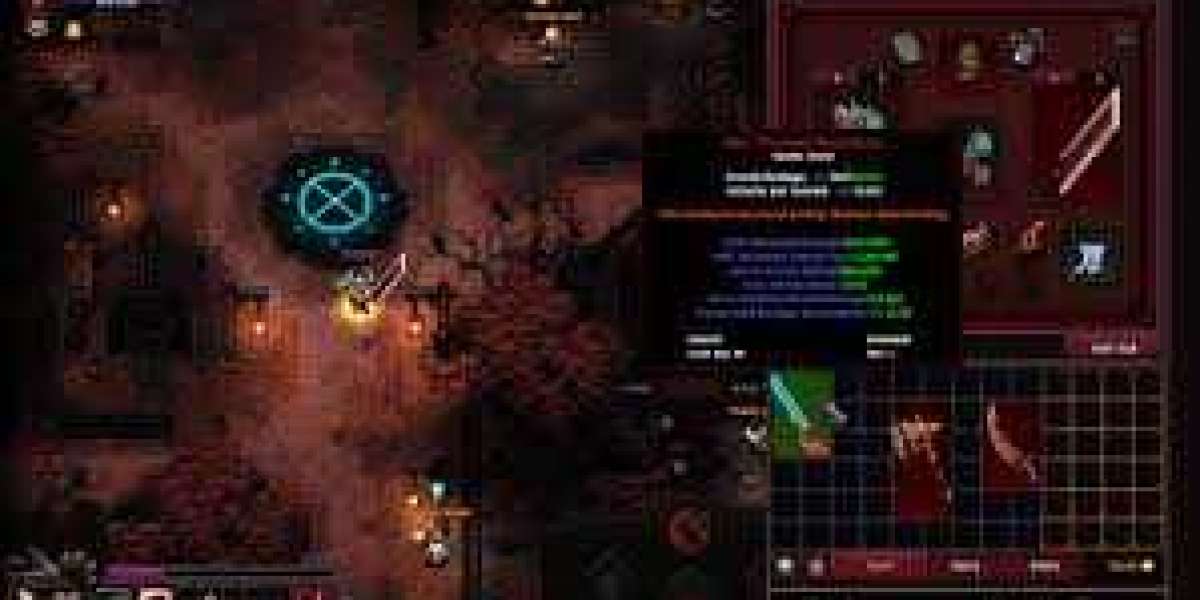

For over a decade, Hero Siege has remained a staple in the indie action RPG scene. While many live-service games fade after a few months, this pixel-art roguelite continues to attract new victims and retain hardened veterans. The reason is not complicated. It comes down to one essential quality that the game has perfected over countless updates and seasons: replayability.
At its simplest level, Hero Siege drops you into the cursed world of Tarethiel. You select a class from a massive roster that includes demonic spellcasters, sturdy shield-bearers, and agile assassins. You fight through hordes of hellspawn. You collect gold, gems, and equipment. You eventually die and lose your run-specific progress. But you keep permanent upgrades that make your next attempt slightly more forgiving. This core loop is not unique to Hero Siege, but the execution sets it apart.
Procedural generation is the first pillar of replayability. No two dungeon runs follow the same layout. Rooms shift positions. Enemy spawns vary in type and density. The location of shops, treasure rooms, and boss chambers changes every time. You might enter a door expecting a healing fountain only to find a cursed shrine that halves your armor. This unpredictability keeps you alert. You cannot autopilot through a memorized route. Each run demands fresh decisions.
The class system forms the second pillar. With over fifteen distinct classes available, each with multiple specialized skill trees, the game offers immense variety. A Viking who throws shields and leaps into crowds plays nothing like a fragile Plague Doctor who spreads poison clouds and runs away. A Demon Spawn who transforms into a monstrous form shares almost no tactics with a Marksman who kites enemies from a distance. Mastering one character takes dozens of hours. By the time you finish, you have barely scratched the surface of what Hero Siege offers.
Seasons provide the third pillar. Every few months, a new season begins. Player progress resets. Leaderboards clear. Balance patches introduce new item affixes, skill adjustments, and sometimes entirely new mechanics. This cycle prevents the meta from growing stale. A class that was weak last season might become dominant this season due to a single damage buff. Exclusive seasonal rewards give veterans a reason to return and climb the ladder again.
The Hell Pass system adds an endless endgame. After finishing the main campaign on Normal difficulty, you unlock higher tiers. Nightmare, Hell, and Inferno introduce escalating challenges. Enemies deal more damage. They gain new modifiers such as extra projectiles or reflecting damage. Some floors add environmental hazards like spreading fire or collapsing ceilings. To survive the highest Hell Pass levels, you need optimized builds and quick reflexes. There is always a higher floor to clear.
Online co-op multiplies replayability dramatically. Playing with friends changes the entire dynamics of a run. You can coordinate class synergies, share loot drops, and revive fallen allies. A boss that feels impossible alone becomes manageable with a balanced party. The social aspect turns grinding into a shared adventure. Even failed runs can be hilarious when experienced with friends.
Hero Siege gold has mastered the art of keeping players engaged. Procedural levels, deep class customization, seasonal resets, scaling endgame, and co-op chaos combine into a package that resists boredom. Whether you have played for ten hours or ten thousand, Tarethiel always has something new to show you. One more run is never just one more run.