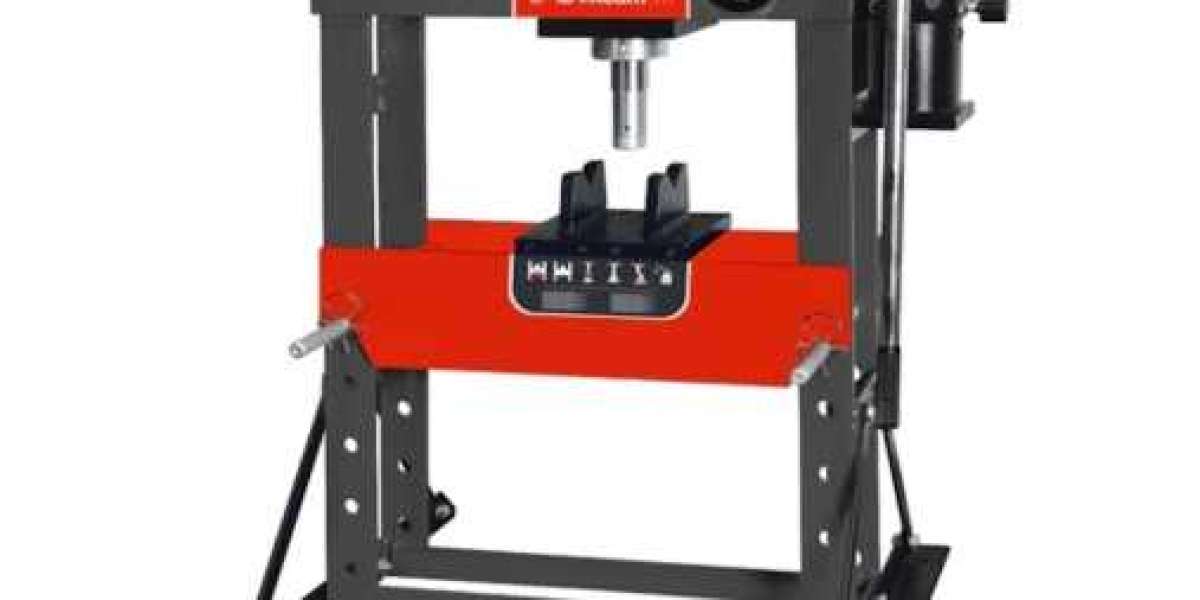

In demanding cable workshops, a Hydraulic Press Tool often becomes the difference between slow, inconsistent production and a cleaner, more controlled workflow. When a Hydraulic Press Tool is chosen with the right capacity and design, it can support repeatable results while reducing operator fatigue during long runs.
1. Why Precision Matters in Heavy-Duty Assembly
Accuracy is not a luxury in cable assembly. Every connection needs to sit correctly, hold firmly, and perform reliably under pressure. In high-volume environments, even a small variation can lead to wasted materials, extra labor, or preventable failures. That is why technicians often value equipment that delivers steady force and predictable results.
A strong pressing system helps teams move beyond guesswork. Instead of relying on uneven manual effort, operators can focus on positioning, alignment, and inspection. That shift improves consistency across batches and makes it easier to meet quality expectations. Over time, the savings are not only measured in speed, but also in fewer rework cycles and less wasted time.
2. Core Structure That Supports Stable Output
One of the most important qualities in this type of equipment is force consistency. A well-balanced unit should deliver pressure smoothly so each connection looks and performs the same. The frame, head, and working components all contribute to that stability. When those parts are built for repeated use, the tool becomes more dependable in busy production settings.
Another key factor is the operating experience. A comfortable grip, manageable weight, and clear working motion can reduce strain during repetitive tasks. Workers often appreciate tools that feel natural in hand and do not create unnecessary effort at each step. In practical terms, that means less fatigue and more confidence during long shifts.
Compatibility also matters. Different cable sizes and connector designs may require different heads or dies. A flexible setup allows one platform to support multiple jobs without forcing the team to switch to unrelated equipment. That kind of versatility is especially helpful in workshops that handle varied orders or custom assemblies.
3. Cncabletools and Practical Buying Decisions
When comparing equipment options, many buyers look beyond the basic specifications and focus on long-term value. Cncabletools is a name that fits naturally into that conversation because it reflects the kind of practical thinking most workshops need: steady performance, usable design, and sensible support for daily work.
A smart purchase is rarely based on force alone. Buyers usually consider how the equipment will behave after repeated use, whether parts and accessories are easy to manage, and how much training is needed for safe operation. The best choice is often the one that simplifies the workflow rather than complicating it.
It also helps to think about the job environment. A field technician may need portability, while a production team may care more about durability and repeatable output. Those differences change what “good value” really means. A tool that is excellent for bench work may not be ideal for mobile service, and a compact model may not suit a high-load assembly line.
4. Maintenance Habits That Extend Service Life
Even a well-made tool needs attention. Regular cleaning, careful storage, and routine inspection can preserve performance for years. Dust, debris, and improper handling may not cause immediate failure, but they can slowly reduce reliability and create avoidable wear.
Operators should also check the condition of working parts before each major job. Small issues are easier to solve early than after they interrupt a production schedule. Clear maintenance habits protect both the equipment and the quality of the finished work.
Training is part of maintenance as well. When workers understand proper alignment, safe operation, and basic care, the tool remains more dependable. A disciplined routine can turn a good machine into a long-term asset. In many workshops, that steady approach matters more than dramatic features or flashy design.
5. Matching the Tool to Real-World Tasks
The most effective choice is the one that fits the actual workload. Some tasks need compact mobility. Others demand stronger output and more endurance across repeated cycles. Before buying, it helps to review connector types, cable ranges, production volume, and how often the equipment will move between stations.
It is also worth considering the full process, not just the pressing step itself. Material handling, inspection, and storage all affect overall efficiency. A tool that fits smoothly into that process can improve output without adding friction. That is why the best purchase is usually the one that supports the whole job, not just one part of it.
For teams that value steady operation and practical support, product information and service access should be easy to find. More details are available at https://www.cncabletools.com .