
When buyers search Fire-Retardant Fabric For Sale , they are usually comparing safety, durability, and comfort at the same time. The best choice is rarely the cheapest roll on the shelf, because Fire-Retardant Fabric For Sale should perform reliably under heat, handling, and daily wear. A strong material can support industrial uniforms, upholstery, curtains, event installations, and protective interiors without sacrificing appearance. In practical terms, the right textile must balance flame resistance, hand feel, weight, cleaning behavior, and long-term stability. That balance matters whether the goal is to reduce risk in a workshop, improve safety in a public space, or meet a project specification with confidence.
1. What Makes a Reliable Protective Textile
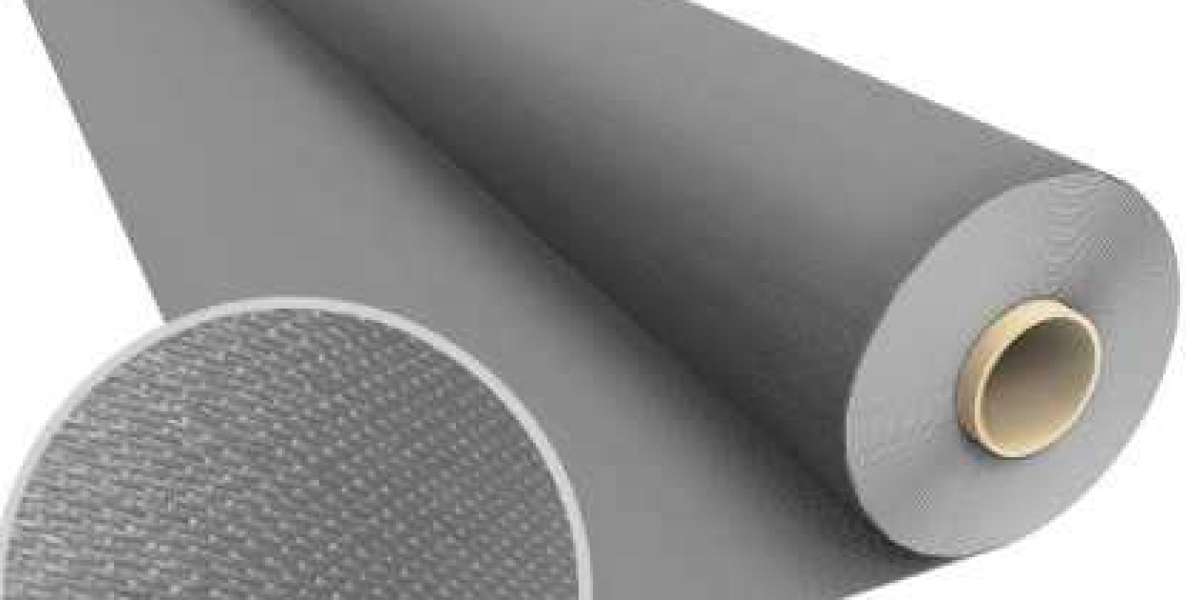
A dependable protective textile is more than a label. It starts with fiber content, construction method, and the way the material reacts to heat over time. Some fabrics are naturally resistant because of their fiber structure, while others are treated to improve performance. A buyer should look for consistency across the full width of the roll, stable color, and a finish that does not easily weaken after repeated use. The best materials also keep their shape, resist excessive fraying, and remain usable after cleaning. For many projects, a fabric that performs well in real conditions is more valuable than a product that only looks impressive on paper.
2. Choosing the Right Fiber Blend
Different projects need different balances of protection and comfort. A heavier weave may provide a more substantial barrier, while a lighter textile may be better for garments or flexible applications. Blended fabrics are often popular because they combine strength, softness, and functional resistance. Natural fibers can feel more breathable, while engineered fibers may offer better stability and longer service life. The right choice depends on where the material will be used and how often it will face heat, friction, or washing. Before ordering, it helps to consider the final environment, because a fabric that works well for stage drapery may not be ideal for industrial partitions or protective covers.
3. Black-Fire and Fire-Retardant Fabric For Sale Applications
In real-world settings, flame-resistant textiles support both safety and design. They are used in factories, hotels, theaters, transport interiors, restaurants, exhibition booths, and residential spaces that require an added layer of protection. In each setting, the fabric must do more than resist ignition. It should also hang properly, match the room's style, and support repeated handling. Event planners often prefer materials that install quickly and keep a clean finish, while facility managers may value easy maintenance and dependable wear. For large projects, uniform performance matters because a single weak area can affect the overall result. That is why procurement teams often test samples before placing a full order.
4. Quality Checks Before You Place an Order
Careful evaluation saves time and reduces risk. Start by reviewing product details, then examine the sample under normal light and after gentle bending. Check whether the surface feels balanced, whether the weave is tight, and whether the edges hold together cleanly. It is also wise to ask how the material behaves after washing or exposure to humidity, since some textiles change noticeably after repeated cycles. Certification documents can be useful, but the physical sample still matters most when the project requires appearance as well as safety. Buyers should compare multiple options side by side, because two fabrics that look similar can perform very differently once they are installed.
5. Care, Compliance, and Long-Term Value
Maintenance plays a major role in the value of any protective textile. Even a strong fabric can lose its advantages if it is cleaned incorrectly or stored in poor conditions. Follow the recommended washing temperature, avoid harsh chemicals unless approved, and keep rolls or finished items away from moisture when not in use. Compliance also deserves attention, because project requirements may differ by region, industry, or building type. A fabric that meets the right standards can help reduce delays during inspection and create more confidence during installation. Over time, the most economical choice is often the one that combines dependable performance, manageable upkeep, and a long service life.For product details, sample requests, and current options, visit https://www.black-fire.net/product/