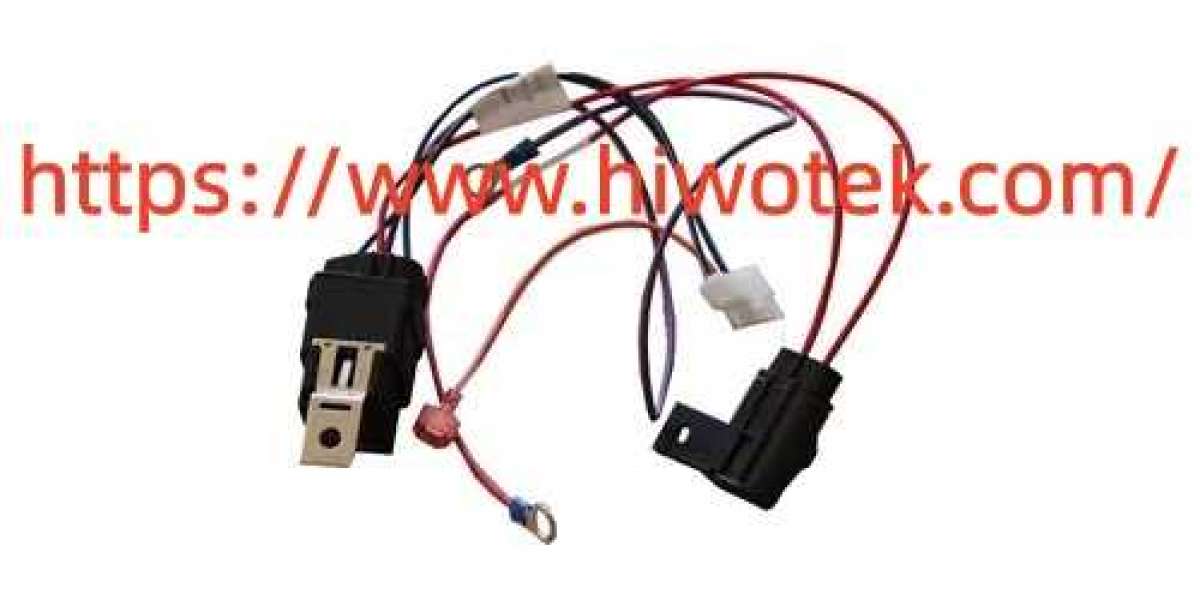

Relay (Transformer) Wiring Harness shows up in real electrical systems more often than people expect. It sits inside control panels, distribution units, and automation equipment, quietly shaping how signals and power paths are arranged. In projects handled by Hiwotek, the focus is on making internal structure easier to follow once everything is packed into a tight space. The goal is not complexity, but clarity during installation and later maintenance.
In real environments, electrical systems are rarely simple. There are control lines, switching sections, and power routes all sharing limited space. Without order, everything starts to overlap and tracing connections becomes slow. A planned structure helps guide how each line is placed so technicians are not guessing during assembly. It also reduces the chance of small mistakes turning into longer troubleshooting sessions later on.
Installation teams usually notice the difference right away. When the internal layout follows a clear logic, they can move through the setup step by step instead of stopping to check every single connection. That makes the process smoother and helps keep projects on schedule. It also reduces the amount of rework that might happen when something is not aligned properly the first time.
Mechanical conditions also matter more than they first appear. Equipment does not stay still once it is installed. Vibration, temperature changes, and repeated handling all affect internal connections over time. If everything is loosely arranged, stress builds up in random points. A structured layout spreads that load more evenly, which helps reduce wear and keeps the system more stable during long operation cycles.
Another point that often comes up in field work is maintenance. Once a system is running, technicians need to access and inspect it without wasting time. A clear arrangement means they can identify sections quickly instead of tracing every path from scratch. That difference becomes important when downtime needs to stay low and work windows are limited.
Flexibility is also part of modern system design. Electrical setups are rarely fixed forever. They get adjusted, expanded, or partially rebuilt depending on demand. When internal structure is organized, those changes can be made in sections without disturbing the rest of the system. That keeps upgrades manageable and avoids unnecessary disruption.
Space constraints are another reality in most installations. Control cabinets are getting smaller while functionality keeps increasing. A clean arrangement helps avoid overcrowding and keeps each connection easier to understand. This balance between compact design and readability is what makes long term operation more manageable.
From installation through maintenance, the value is usually practical rather than abstract. Less confusion, fewer corrections, and a system that behaves in a more predictable way when opened up later. That is often what teams are looking for when they are working under time pressure on site.
Hiwotek continues to focus on practical electrical integration needs like this, supporting structured system design that works in real conditions rather than just theoretical layouts. More related solutions can be found at https://www.hiwotek.com/product/